
A Record of Metal & Flame Welding Blog


More Guides
-
How to Make MIG Gun Consumables Last Longer
Oct 12, 2026, 14:04 PM by Ann McCallum-BolesThis article shares practical tips for extending the life of MIG gun consumables, including contact tips, nozzles and liners. Learn how proper installation, routine inspection, correct setup and regular cleaning can help reduce premature wear and keep consumables working as intended. It also covers common causes of unnecessary damage and maintenance habits that can help welders get more consistent use from MIG gun components before replacement is needed.Full story -
Oxy‑Fuel vs. Plasma Cutting: Choosing the Right Metal Cutting Method for Your Application
Jun 2, 2026, 10:40 AM by Ann McCallum-BolesOxy‑fuel and plasma cutting use different technologies suited to different metals, thicknesses, and cut‑quality requirements. Understanding their strengths and limitations helps you choose the method that aligns with your project needs.Full story -
Welding Helmet Buying Guide: Lens Types, Switching Speed, Viewing Area Size, Sensors, and Comfort
May 8, 2026, 09:40 AM by Ann McCallum-BolesA welding helmet’s performance depends on features like lens type, switching speed, viewing area size, weight, and sensor count. Passive and auto‑darkening lenses offer different visibility and workflow benefits. Larger viewing areas improve awareness, while smaller ones support precision. Helmet weight and fit affect long‑term comfort, and additional sensors can improve activation consistency.Full story -
CNC Plasma Cutting Tips to Optimize Productivity
Apr 29, 2026, 11:52 AM by Ann McCallum-BolesFull story -
How to Choose a Cutting Wheel
Jan 23, 2026, 15:24 PM by Ann McCallum-BolesChoosing the right cutting wheel is key to clean, efficient welding. Your choice depends on wheel type, grain, and thickness. Type 1 wheels offer sharp, precise cuts with a flat profile, while Type 27 wheels improve visibility and allow flush cutting. Ceramic alumina, zirconia, aluminum oxide, and silicon carbide each fit different metals and demands. Thickness affects accuracy and durability. Match the wheel to your grinder, material, and project to get smoother cuts and avoid rewelding.Full story -
How Can Robotic Welding Transform Fabrication Processes?
Oct 28, 2025, 09:26 AM by Ann McCallum-BolesRobotic welding is reshaping modern fabrication by delivering faster production, lower costs, and higher-quality results. This blog explores how welding automation can streamline your workflow, reduce waste, and elevate product consistency. Whether you're considering a switch or scaling up, discover why robotic welding is a smart investment for competitive manufacturing.Full story -
How Welding Positioners Can Help Improve Productivity, Quality, and Workplace Safety
Aug 14, 2025, 10:53 AM by Ann McCallum-BolesWelding positioners are crucial tools for modern fabrication, improving productivity, quality, and safety. By securely holding and rotating workpieces, they enable welders to create cleaner, more uniform welds, reducing inconsistencies and material waste. These tools also enhance worker safety by minimizing heavy lifting and improving ergonomics. Ultimately, positioners streamline workflows, reduce downtime, and are a key investment for any shop aiming to boost efficiency and consistency.Full story -
What Is Flux Core Welding Wire?
Aug 4, 2025, 11:32 AM by Ann McCallum-BolesFlux-cored welding wires, filled with flux, offer versatility and high deposition rates, making them ideal for industries like shipbuilding, construction, and outdoor repairs. Available in gas-shielded and self-shielded types, they provide strong, reliable welds and are beginner-friendly. Benefits include portability, strength, and adaptability across materials, though slag removal is required. WeldingSupply.com offers an extensive selection and expert guidance to help you choose the right wire for your project and achieve optimal results.Full story -
How to Choose a Plasma Cutter
Jun 17, 2025, 16:56 PM by Ann McCallum-BolesChoosing the right plasma cutter ensures precise, efficient metal fabrication. Key factors include material thickness, which affects amperage needs, input power (115V, 230V, or dual voltage for flexibility), and duty cycle, which determines how long the machine can run before cooling. Portability matters if you work in different locations, while operating costs like consumables impact overall expense. Plasma cutters offer speed, accuracy, and versatility. Find expert tools at WeldingSupply.com!Full story -
The History of Welding
Mar 18, 2025, 16:58 PM by Ann McCallum-BolesWelding is key in today's world. It helps build everything from skyscrapers and ships to airplanes and new medical technology. Welding has greatly influenced humanity and its impact reaches far into the past and over centuries. It highlights our endless quest for innovation and progress. By looking at welding's origins, key milestones, and modern advancements, we see how this craft has influenced society for thousands of years.Full story -
The Benefits of Automated Welding: Revolutionizing Fabrication Processes
Mar 3, 2025, 14:08 PM by Ann McCallum-BolesAutomated welding utilizes machines and computer programs to help make welding faster and more consistent. These systems follow set instructions to complete welding tasks with less help from people, which may reduce errors and improve efficiency. By keeping weld quality more uniform, automated welding can support better results across large projects. While outcomes can vary, many manufacturers use automation to meet production goals and stay competitive.Full story -
Welding Accessories for Beginner Welding
Feb 13, 2025, 09:54 AM by Ann McCallum-BolesThis guide serves as a starting point for beginner welders, detailing the essential tools and accessories required to ensure safety, precision, and efficiency during the welding process. We'll walk you through the key facets of welding—from material preparation and workspace setup to selecting the proper equipment and consumables for different welding methods such as MIG, TIG, and stick welding. We'll also discuss the importance of post-weld cleanup to achieve durable, high-quality results.Full story
Oxy‑Fuel vs. Plasma Cutting: Choosing the Right Metal Cutting Method for Your Application
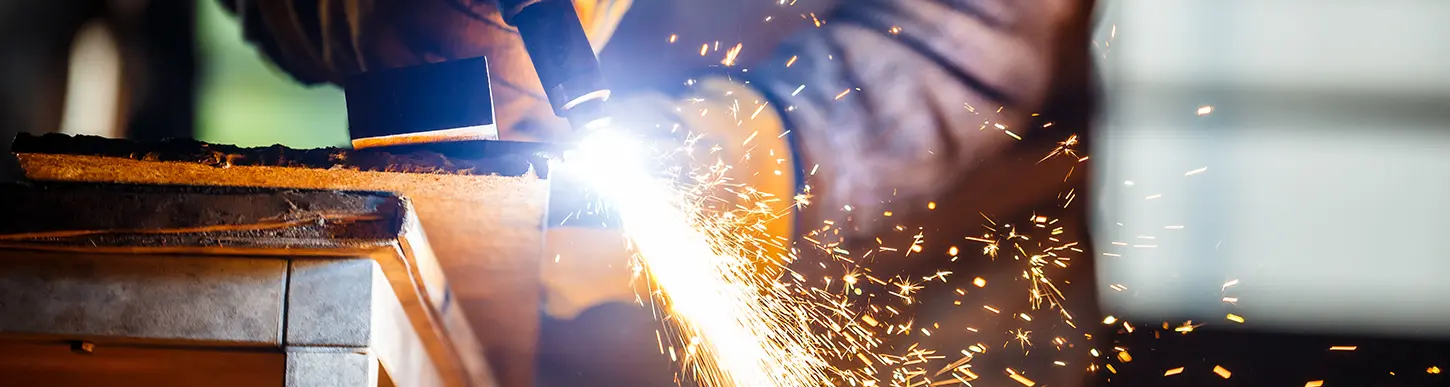
Metal cutting is an essential part of industry, from construction to manufacturing. With so many tools and methods available, choosing the right approach can be overwhelming. Two of the most used technologies for cutting metal are oxy-fuel cutting and plasma cutting. Both processes offer unique benefits and limitations, and the right choice depends on factors like material type, thickness, desired precision, and overall project requirements.
At WeldingSupply.com, we aim to help you understand these cutting processes so you can select the best solution for your application. Below, we’ll break down the basics of both oxy-fuel and plasma cutting, compare their pros and cons, and give you the information you need to make the best decision for your operation.
Key Benefits of Oxy-Fuel Cutting
Key Limitations of Oxy-Fuel Cutting
Key Benefits of Plasma Cutting
Key Limitations of Plasma Cutting
Oxy‑Fuel vs Plasma Cutting: Key Differences
How to Choose Between Oxy-Fuel and Plasma Cutting
Frequently Asked Questions About Oxy-Fuel vs. Plasma Cutting
How Oxy-Fuel Cutting Works
Oxy-fuel cutting uses the power of heat and oxygen to cut through metal. In this process, a fuel gas (like acetylene, propane, or natural gas) is mixed with oxygen to produce a high-temperature flame that preheats the metal. Once the metal reaches the required temperature, an additional stream of pure oxygen is introduced, oxidizing the metal and blowing molten material out of the cut area.
The result is a clean and narrow cut, known as a “kerf,” with square edges. Oxy-fuel cutting is especially effective for thicker metals, typically ½ inch or more in thickness, and is a popular choice for heavy-duty applications.
Key Benefits of Oxy-Fuel Cutting
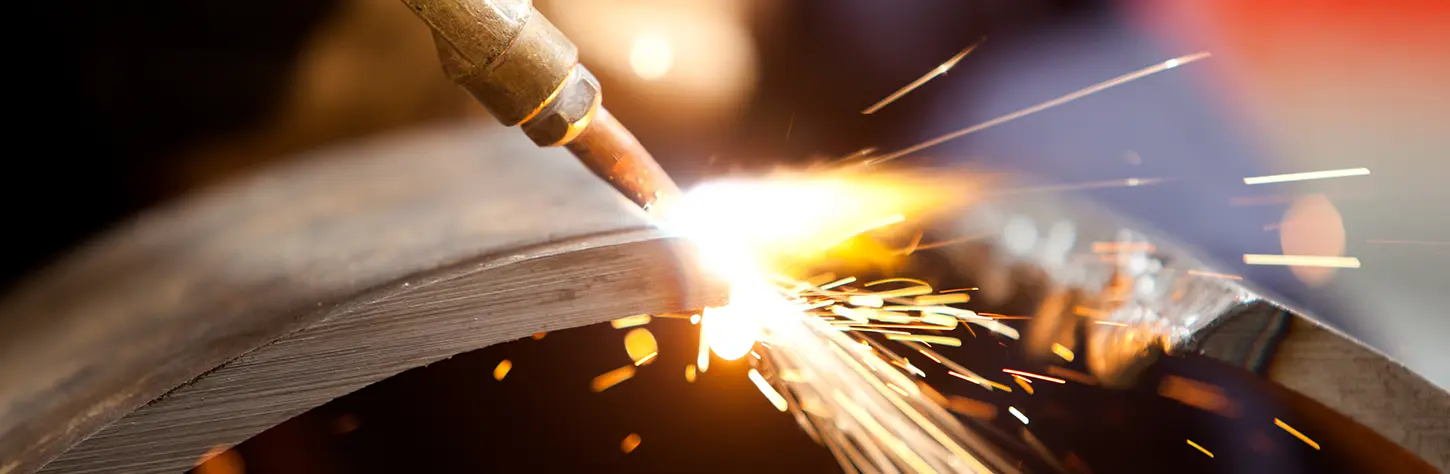
Oxy-fuel cutting offers several advantages across a wide range of applications:
Faster Cutting for Steel: Compared to mechanical methods, oxy-fuel cutting can quickly slice through steel, making it a popular choice for large-scale projects.
Affordable Equipment: Basic oxy-fuel systems are inexpensive, especially manual setups, making them a budget-friendly option for smaller operations.
Portability: Oxy-fuel torches and equipment are lightweight and easy to transport, making them ideal for jobs on the go.
Rusty or Scaled Metal: Oxy-fuel systems can effectively cut through metal surfaces that are rusty or covered in scale, making cleanup easier.
Ease of Use: Producing acceptable cuts doesn’t require complex skills—moderate training is often sufficient.
Versatility: Oxy-fuel systems work for both thin and thick plates when paired with mechanized setups.

Key Limitations of Oxy-Fuel Cutting
While oxy-fuel cutting is an effective tool, it does have its drawbacks:
Material Restrictions: Oxy-fuel cutting works best on carbon and cast steels. It is less effective for stainless steel, aluminum, and other specialty alloys.
Dimensional Precision: Compared to plasma or laser cutting, oxy-fuel lacks the tight tolerances required for applications needing precise cuts.
Metal Preparation: Specialty alloy materials may require additional steps like preheating or post-heating to prevent damage or warping during the cutting process.
How Plasma Cutting Works

Plasma cutting takes a different approach, relying on electrically charged plasma gas to slice through metal. Compressed air is introduced into the system and ionized by electricity to create an imbalanced plasma gas. This plasma gas generates extreme heat and is pushed through a nozzle to form a powerful cutting arc.
Plasma cutting is fast and efficient, offering clean cuts for both thin and thicker metals. It works well on a variety of materials, including stainless steel, aluminum, and cast iron. Plasma cutters can achieve cutting speeds of 6–50+ inches per minute, depending on the material thickness and input power.
Key Benefits of Plasma Cutting
Plasma cutting is a fast-growing technology with several benefits:
Works on Non-Ferrous Metals: Unlike oxy-fuel systems, plasma cutters can handle non-ferrous metals like stainless steel, aluminum, and cast iron, along with carbon and cast steels.
No Preheating Required: Plasma doesn’t need preheated metals, saving time and reducing energy costs.
Fast Cutting Speeds: On thin metals, plasma cutting is significantly faster than oxy-fuel, with minimal or no distortion to the material.
Clean Cuts: Plasma systems produce clean edges, often needing little to no cleanup after the cut is complete.
Simple Operation: Plasma cutters are relatively easy to set up and use, requiring less skill than other systems.
Safety Features: Plasma cutting relies on non-flammable gases, making it safer than oxy-fuel systems in certain environments.

Key Limitations of Plasma Cutting
While plasma cutting offers many advantages, it also has some drawbacks:
Thickness Limitations: Plasma cutters are less effective on extremely thick metal. While they excel with thinner materials, their cutting speed reduces as thickness increases.
Brightness and Noise: Plasma cutting creates very bright flashes and can be significantly noisier than oxy-fuel, requiring precautions like protective eyewear and ear plugs.
Higher Equipment Costs: Plasma systems are more expensive upfront compared to oxy-fuel equipment, which can be challenging for smaller budgets.
Oxy‑Fuel vs Plasma Cutting: Key Differences
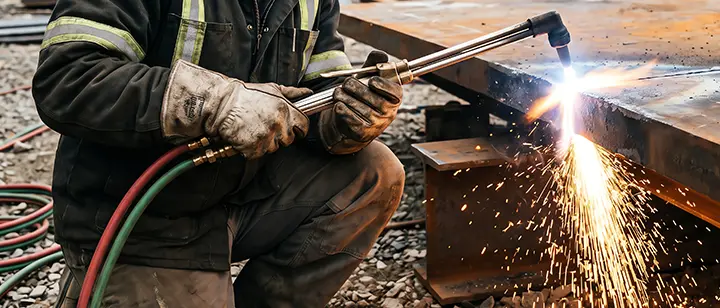 | 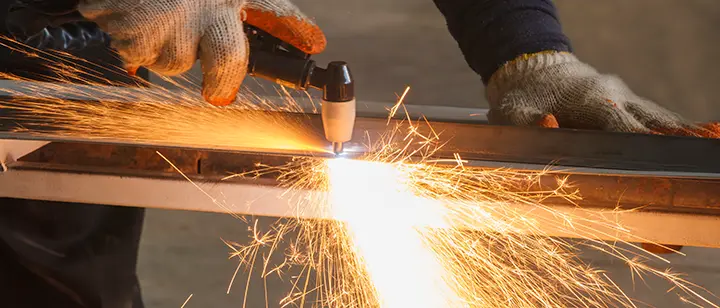 |
| Oxy-Fuel Cutting: Best for thick metal | Plasma Cutting: Best for thin metal |
Each cutting process has its strengths depending on the material, thickness, and requirements of the job. Here’s a side-by-side comparison:
| Feature | Oxy-Fuel Cutting | Plasma Cutting |
|---|---|---|
| Best for Thin Metal | Less effective—slower than plasma | Excellent—fast cutting speeds |
| Best for Thick Metal | Ideal for ½ inch or thicker | Reduced speed for thicker metal |
| Material Compatibility | Carbon and cast steels | Wide range, including stainless steel and aluminum |
| Clean-Up Needed | Moderate—may require smoothing | Minimal—clean edges |
| Portability | Highly portable | Somewhat portable |
| Safety | Involves flammable gases | Uses non-flammable gases |
| Equipment Costs | Low upfront costs | Higher upfront costs |
How to Choose Between Oxy-Fuel and Plasma Cutting
Choosing between oxy-fuel and plasma cutting depends on your specific needs.
When to Use Oxy-Fuel Cutting:
You’re working with thicker materials like carbon or cast steel.
You need portable equipment for on-site jobs.
Preheating the metal isn’t an issue.
Budget-friendly equipment is important.
When to Use Plasma Cutting:
You’re working with non-ferrous metals like stainless steel or aluminum.
Speed and clean cuts matter, especially for thinner materials.
You want minimal cleanup and no preheating.
You’re willing to invest more upfront for a versatile system.
Shop Oxy‑Fuel and Plasma Cutting Equipment
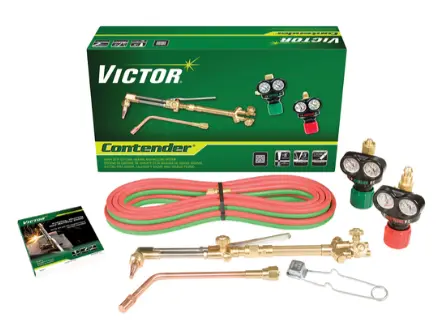
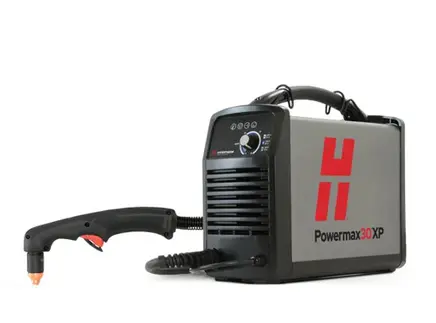

At WeldingSupply.com, we understand the importance of having the right tools for the job. That’s why we offer a broad selection of equipment for both oxy-fuel and plasma cutting applications. Whether you need affordable oxy-fuel systems or high-performance plasma cutters, we make it easy to find the gear your workspace requires.
Browse our online inventory today to explore top-quality cutting tools, consumables, and accessories. Have questions or need help choosing the right system for your needs? Contact our knowledgeable team for expert guidance. WeldingSupply.com is here to help you succeed.
Frequently Asked Questions About Oxy-Fuel vs. Plasma Cutting
1. What’s the main difference between oxy-fuel cutting and plasma cutting?
Oxy-fuel uses a flame and oxygen to oxidize metal; plasma uses ionized gas and electricity to melt and cut.
2. Which method is better for thick carbon or cast steel: oxy-fuel or plasma?
Oxy-fuel is ideal for cutting carbon or cast steel ½ inch or thicker. Plasma slows down with increased thickness.
3. Which method works best for thin metal: plasma or oxy-fuel?
Plasma cutting is faster and cleaner on thin materials, with minimal distortion and no need for preheating.
4. What metals can be cut with oxy-fuel cutting?
Carbon steel and cast steel. It’s not effective on stainless steel, aluminum, or non-ferrous metals.
5. What metals can be cut with plasma cutting?
Plasma works on stainless steel, aluminum, cast iron, and carbon steel—great for mixed-material jobs.
6. Is oxy-fuel equipment more affordable than plasma cutting equipment?
Yes. Oxy-fuel systems have lower upfront costs and are budget-friendly for small shops or field work.
7. Does plasma cutting require preheating?
No. Plasma cuts without preheating, saving time and reducing energy use.
8. Which method produces cleaner edges: plasma or oxy-fuel?
Plasma cutting typically produces cleaner edges with less post-cut cleanup than oxy-fuel.
9. Which cutting system is safer to operate: oxy-fuel or plasma?
Plasma uses non-flammable gases, making it safer in enclosed or sensitive environments than oxy-fuel.
10. How do I choose between oxy-fuel cutting and plasma cutting for my job?
Use oxy-fuel for thick carbon steel and portability. Choose plasma for speed, clean cuts, and non-ferrous metals.