
A Record of Metal & Flame Welding Blog


More Guides
-
How to Make MIG Gun Consumables Last Longer
Oct 12, 2026, 14:04 PM by Ann McCallum-BolesThis article shares practical tips for extending the life of MIG gun consumables, including contact tips, nozzles and liners. Learn how proper installation, routine inspection, correct setup and regular cleaning can help reduce premature wear and keep consumables working as intended. It also covers common causes of unnecessary damage and maintenance habits that can help welders get more consistent use from MIG gun components before replacement is needed.Full story -
Oxy‑Fuel vs. Plasma Cutting: Choosing the Right Metal Cutting Method for Your Application
Jun 2, 2026, 10:40 AM by Ann McCallum-BolesOxy‑fuel and plasma cutting use different technologies suited to different metals, thicknesses, and cut‑quality requirements. Understanding their strengths and limitations helps you choose the method that aligns with your project needs.Full story -
Welding Helmet Buying Guide: Lens Types, Switching Speed, Viewing Area Size, Sensors, and Comfort
May 8, 2026, 09:40 AM by Ann McCallum-BolesA welding helmet’s performance depends on features like lens type, switching speed, viewing area size, weight, and sensor count. Passive and auto‑darkening lenses offer different visibility and workflow benefits. Larger viewing areas improve awareness, while smaller ones support precision. Helmet weight and fit affect long‑term comfort, and additional sensors can improve activation consistency.Full story -
CNC Plasma Cutting Tips to Optimize Productivity
Apr 29, 2026, 11:52 AM by Ann McCallum-BolesFull story -
How to Choose a Cutting Wheel
Jan 23, 2026, 15:24 PM by Ann McCallum-BolesChoosing the right cutting wheel is key to clean, efficient welding. Your choice depends on wheel type, grain, and thickness. Type 1 wheels offer sharp, precise cuts with a flat profile, while Type 27 wheels improve visibility and allow flush cutting. Ceramic alumina, zirconia, aluminum oxide, and silicon carbide each fit different metals and demands. Thickness affects accuracy and durability. Match the wheel to your grinder, material, and project to get smoother cuts and avoid rewelding.Full story -
How Can Robotic Welding Transform Fabrication Processes?
Oct 28, 2025, 09:26 AM by Ann McCallum-BolesRobotic welding is reshaping modern fabrication by delivering faster production, lower costs, and higher-quality results. This blog explores how welding automation can streamline your workflow, reduce waste, and elevate product consistency. Whether you're considering a switch or scaling up, discover why robotic welding is a smart investment for competitive manufacturing.Full story -
How Welding Positioners Can Help Improve Productivity, Quality, and Workplace Safety
Aug 14, 2025, 10:53 AM by Ann McCallum-BolesWelding positioners are crucial tools for modern fabrication, improving productivity, quality, and safety. By securely holding and rotating workpieces, they enable welders to create cleaner, more uniform welds, reducing inconsistencies and material waste. These tools also enhance worker safety by minimizing heavy lifting and improving ergonomics. Ultimately, positioners streamline workflows, reduce downtime, and are a key investment for any shop aiming to boost efficiency and consistency.Full story -
What Is Flux Core Welding Wire?
Aug 4, 2025, 11:32 AM by Ann McCallum-BolesFlux-cored welding wires, filled with flux, offer versatility and high deposition rates, making them ideal for industries like shipbuilding, construction, and outdoor repairs. Available in gas-shielded and self-shielded types, they provide strong, reliable welds and are beginner-friendly. Benefits include portability, strength, and adaptability across materials, though slag removal is required. WeldingSupply.com offers an extensive selection and expert guidance to help you choose the right wire for your project and achieve optimal results.Full story -
How to Choose a Plasma Cutter
Jun 17, 2025, 16:56 PM by Ann McCallum-BolesChoosing the right plasma cutter ensures precise, efficient metal fabrication. Key factors include material thickness, which affects amperage needs, input power (115V, 230V, or dual voltage for flexibility), and duty cycle, which determines how long the machine can run before cooling. Portability matters if you work in different locations, while operating costs like consumables impact overall expense. Plasma cutters offer speed, accuracy, and versatility. Find expert tools at WeldingSupply.com!Full story -
The History of Welding
Mar 18, 2025, 16:58 PM by Ann McCallum-BolesWelding is key in today's world. It helps build everything from skyscrapers and ships to airplanes and new medical technology. Welding has greatly influenced humanity and its impact reaches far into the past and over centuries. It highlights our endless quest for innovation and progress. By looking at welding's origins, key milestones, and modern advancements, we see how this craft has influenced society for thousands of years.Full story -
The Benefits of Automated Welding: Revolutionizing Fabrication Processes
Mar 3, 2025, 14:08 PM by Ann McCallum-BolesAutomated welding utilizes machines and computer programs to help make welding faster and more consistent. These systems follow set instructions to complete welding tasks with less help from people, which may reduce errors and improve efficiency. By keeping weld quality more uniform, automated welding can support better results across large projects. While outcomes can vary, many manufacturers use automation to meet production goals and stay competitive.Full story -
Welding Accessories for Beginner Welding
Feb 13, 2025, 09:54 AM by Ann McCallum-BolesThis guide serves as a starting point for beginner welders, detailing the essential tools and accessories required to ensure safety, precision, and efficiency during the welding process. We'll walk you through the key facets of welding—from material preparation and workspace setup to selecting the proper equipment and consumables for different welding methods such as MIG, TIG, and stick welding. We'll also discuss the importance of post-weld cleanup to achieve durable, high-quality results.Full story
How to Choose a Cutting Wheel
What is a Cutting Wheel?
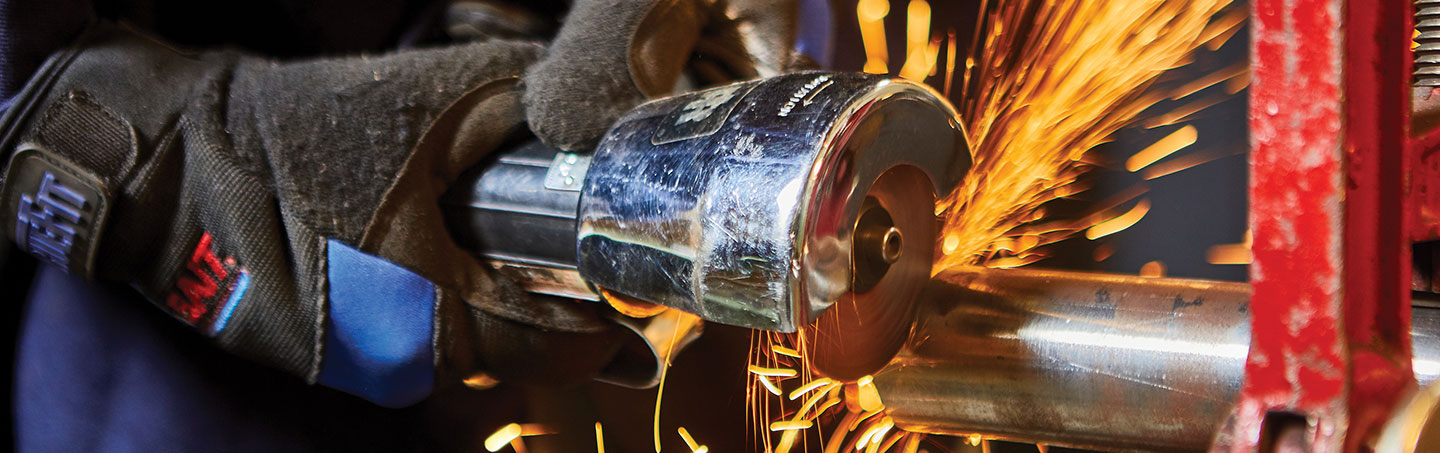
A cutting wheel is an abrasive disc designed to cut metal by using bonded grains to remove material quickly and cleanly.
Quick Summary:
- Cutting wheels come in two main types: Type 1 (flat) and Type 27 (depressed center).
- Grain materials include ceramic alumina, zirconia alumina, aluminum oxide, and silicon carbide.
- Thin wheels support precise cuts; thicker wheels offer longer service life.
- The right wheel depends on your grinder type, metal, and project requirements.
- Choosing the correct wheel helps reduce rework, heat discoloration, and material waste.
Common Cutting Wheel Materials
Choosing the Right Cutting Wheel for Your Project
Frequently Asked Questions About Cutting Wheels
What Are the Types of Cutting Wheels?
Key points:
- Type 1 wheels have a flat profile for 90‑degree cutting.
- Type 27 wheels have a depressed center for better visibility.
- Type 1 supports precise cuts; Type 27 supports flush cutting.
- Wheel choice depends on grinder type and visibility needs.
Cutting wheels come in two primary designs: Type 1 and Type 27. Each has unique advantages depending on the application, and understanding the differences can help you pick what’s right for your project.
Type 1 Cutting Wheels
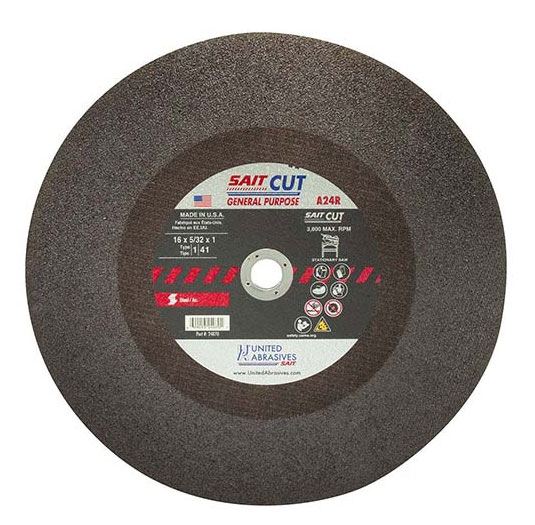 Type 1 cutting wheels feature a flat abrasive design and allow for a work angle of 90 degrees. These wheels are great for grinding small parts with die grinders and handling tough configurations with angle grinders. Thin Type 1 wheels are particularly popular for cutting metal with saws and grinders. Keep in mind that type 1 wheels flat profile and close proximity to the guard can reduce visibility while working. However, their precision makes them ideal for applications that require sharper, cleaner cuts.
Type 27 Cutting Wheels
Type 27 wheels have a depressed center design, offering a flatter work angle and better visibility compared to Type 1 wheels. This design also allows for flush cutting, which makes it easier when working on surfaces that need a clean finish. Type 27 wheels are specifically designed for right-angle grinders and are perfect for general-purpose applications requiring flexibility and visibility.
Choosing between Type 1 and Type 27 often comes down to the precision of your cutting project and your preferred visibility while working.
What Are Common Cutting Wheel Materials?
Key points:
- Ceramic alumina supports tough‑metal cutting with cooler operation.
- Zirconia alumina handles high‑pressure, heavy‑duty cuts.
- Aluminum oxide works for general metal cutting.
- Silicon carbide cuts non‑ferrous metals quickly but wears faster.
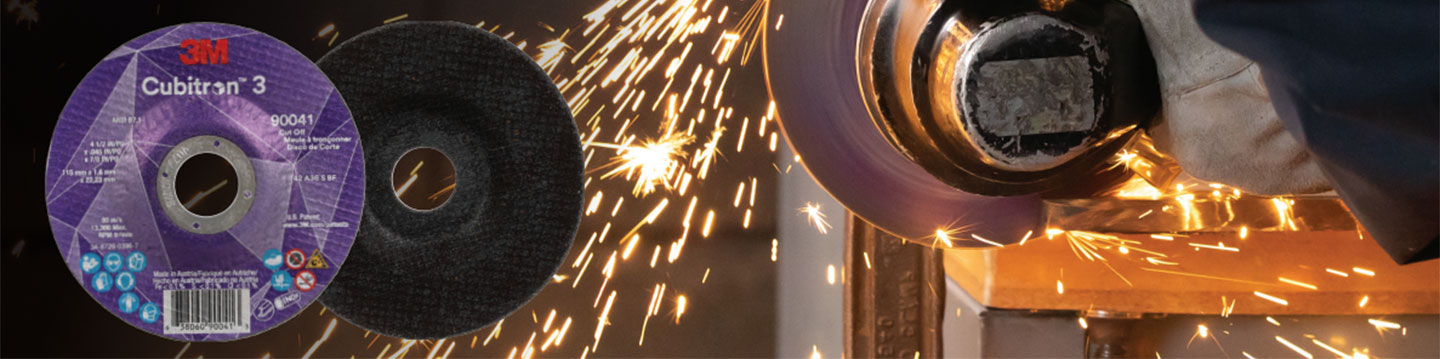
The abrasive grains within a cutting wheel are what do the actual cutting, and different materials will perform better depending on what you’re working on. Here are the most common types of grain materials you’ll find in cutting wheels:
Ceramic Alumina
Ceramic alumina grains are known for their durability and efficiency, making them ideal for tough metals like steel, stainless steel, titanium, and high nickel alloys. These grains cut cooler than others, creating less heat discoloration on the metal and offering a longer lifespan. They are a great choice for challenging applications including cutting armored steel or nickel alloys.
Zirconia Alumina
Zirconia alumina grains are excellent for cutting steel, iron, and structural metals, especially in heavy-duty jobs such as rail cutting. These grains offer quick cutting, long-lasting performance, and the ability to handle extreme pressure, making them highly versatile for demanding applications.
Aluminum Oxide
Aluminum oxide is one of the most commonly used abrasive grains for cutting wheels. It cuts quickly and delivers consistent performance for a wide range of materials, including mild steel and other standard metals.
Silicon Carbide
Silicon carbide grains are hard and sharp, making them ideal for fast-cutting jobs. However, they are more brittle compared to other grains, which means they may not last as long in extreme conditions. Silicon carbide performs well on non-ferrous metals but should be used when quicker cuts are prioritized over durability.
Selecting the right grain should be chosen after understanding the type of metal you’re working with and the demands of your application.
How Does Cutting Wheel Thickness Affect Performance?
Key points:
- Thin wheels support precise, low‑heat cuts.
- Thick wheels offer longer service life.
- Thin wheels wear faster; thick wheels remove more material.
- Thickness choice depends on accuracy vs. durability needs.
The thickness of your cutting wheel can impact the precision of the cut, how quickly it completes the job, and how long the wheel lasts.
Thinner Wheels for Precision
Thin cutting wheels—typically 0.04 in. or 0.045 in. thick – are good for precise cuts. They remove less material during each cut, produce less heat, and deliver clean lines. Ultra-thin wheels are especially useful when accuracy is key to your project. Keep in mind that while thinner wheels provide higher precision, they may wear faster than thicker options.
Thicker Wheels for Longevity
Thicker cutting wheels are more durable and built to last longer under tough conditions. If your project doesn’t require extreme precision but needs a cutting wheel that holds up over time, thicker options are a better choice.
Finding a balance between precision and longevity is important, so consider the needs of your specific application before buying.
How Do You Choose the Right Cutting Wheel for Your Project?
Key points:
- Match wheel type to your grinder or saw.
- Select grain based on the metal you’re cutting.
- Thin wheels support accuracy; thick wheels support durability.
- Consider workload, pressure, and cut quality needs.
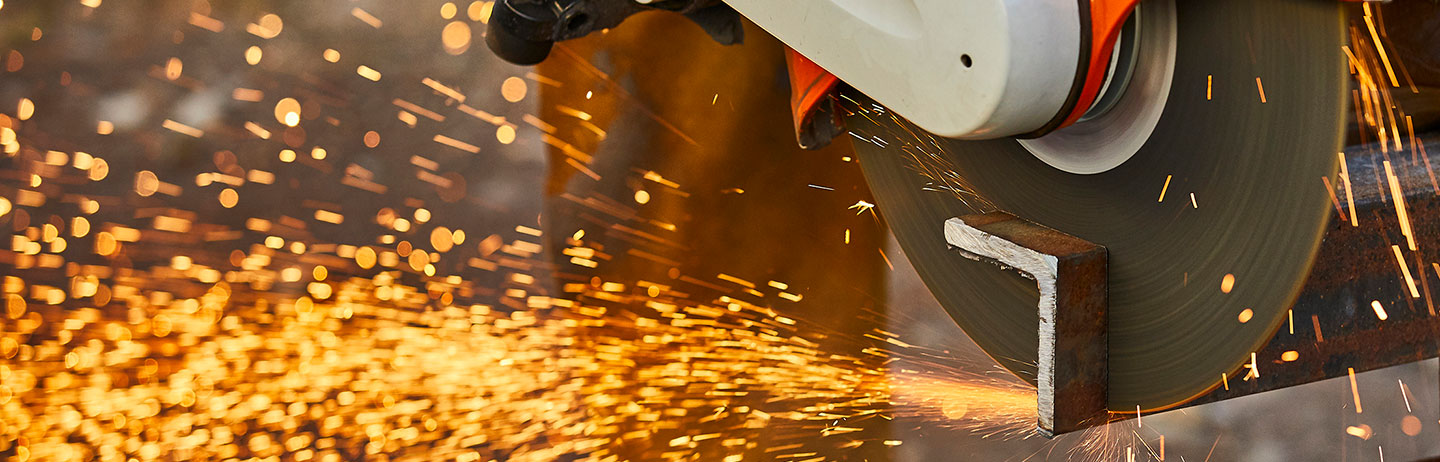
Now that we’ve covered the basics, it’s time to figure out which cutting wheel is best suited for your job. Ask yourself the following questions to guide your decision:
What type of grinder or saw are you using?
The equipment you’re working with will determine whether a type 1 or type 27 wheel is more suitable. Type 1 wheels are typically better for die grinders and saws, while type 27 wheels pair well with right-angle grinders.
What material are you cutting?
Different materials require specific grain types for optimal performance. Use ceramic alumina for tough to grind metals, aluminum oxide for general use, zirconia alumina for heavy-duty cutting, and silicon carbide for quick cuts on non-ferrous materials.
Do you need precision or durability?
Thin wheels provide cleaner cuts, while thick wheels last longer under consistent use. Decide whether accuracy or longevity matters more for your particular application.
Why Choose WeldingSupply.com for Cutting Wheels?
At WeldingSupply.com, we know how important reliable, high-performance tools are for welders. That’s why we offer a comprehensive selection of cutting wheels designed for a variety of applications. Our inventory features cutting wheels of different materials, diameters, thicknesses, and specialized features so you can find what you need to get the job done. No matter if you’re working with mild steel, stainless steel, aluminum, or exotic alloys, we have cutting wheels for your project.
Explore Cutting Wheels at WeldingSupply.com Today
Ready to boost your welding operation with high-quality cutting wheels? Visit WeldingSupply.com to browse our full selection of wheels and small cutting discs at competitive prices. If you have questions about specific products or need help finding the right tool for your job, feel free to contact our knowledgeable team. WeldingSupply.com is here to support you with the tools and supplies you need to succeed. Explore our inventory today!
Frequently Asked Questions About Cutting Wheels
What’s the difference between Type 1 and Type 27 cutting wheels?
Type 1 wheels have a flat design and are ideal for cutting at a 90-degree angle, often used with die grinders. Type 27 wheels feature a depressed center, offering better visibility and flush cutting – good for right-angle grinders and general-purpose use.
Which cutting wheel material should I choose for tough to grind metals?
Ceramic alumina is best for tough metals like stainless steel, titanium, and high nickel alloys. It cuts cooler, lasts longer, and reduces heat discoloration.
What’s the best grain type for heavy-duty cutting?
Zirconia alumina is excellent for high-pressure jobs like rail or structural steel cutting. It offers fast performance and long-lasting durability.
Can I use aluminum oxide wheels for general metal cutting?
Yes. Aluminum oxide is a versatile, cost-effective choice for cutting mild steel and other standard metals.
When should I use silicon carbide cutting wheels?
Silicon carbide is ideal for fast cuts on non-ferrous metals. It’s sharp and efficient but less durable in extreme conditions.
How does wheel thickness affect performance?
Thinner wheels (0.04"–0.045") offer cleaner, more precise cuts but wear down faster. Thicker wheels last longer and are better for rugged applications where precision isn’t critical.
What thickness should I choose for precision work?
Go with ultra-thin wheels for high-accuracy cuts. They remove less material and generate less heat, making them perfect for detailed jobs.
Which wheel type works best with my grinder?
Type 1 wheels are suited for die grinders and saws. Type 27 wheels are designed for right-angle grinders and offer better visibility and flush cutting capabilities.
How do I balance precision and durability?
If your project demands clean, accurate cuts, choose a thinner wheel. For long-lasting performance under tough conditions, opt for a thicker wheel. Consider your material and workload to find the right balance.