
A Record of Metal & Flame Welding Blog


More Guides
-
How to Make MIG Gun Consumables Last Longer
Oct 12, 2026, 14:04 PM by Ann McCallum-BolesThis article shares practical tips for extending the life of MIG gun consumables, including contact tips, nozzles and liners. Learn how proper installation, routine inspection, correct setup and regular cleaning can help reduce premature wear and keep consumables working as intended. It also covers common causes of unnecessary damage and maintenance habits that can help welders get more consistent use from MIG gun components before replacement is needed.Full story -
Oxy‑Fuel vs. Plasma Cutting: Choosing the Right Metal Cutting Method for Your Application
Jun 2, 2026, 10:40 AM by Ann McCallum-BolesOxy‑fuel and plasma cutting use different technologies suited to different metals, thicknesses, and cut‑quality requirements. Understanding their strengths and limitations helps you choose the method that aligns with your project needs.Full story -
Welding Helmet Buying Guide: Lens Types, Switching Speed, Viewing Area Size, Sensors, and Comfort
May 8, 2026, 09:40 AM by Ann McCallum-BolesA welding helmet’s performance depends on features like lens type, switching speed, viewing area size, weight, and sensor count. Passive and auto‑darkening lenses offer different visibility and workflow benefits. Larger viewing areas improve awareness, while smaller ones support precision. Helmet weight and fit affect long‑term comfort, and additional sensors can improve activation consistency.Full story -
CNC Plasma Cutting Tips to Optimize Productivity
Apr 29, 2026, 11:52 AM by Ann McCallum-BolesFull story -
How to Choose a Cutting Wheel
Jan 23, 2026, 15:24 PM by Ann McCallum-BolesChoosing the right cutting wheel is key to clean, efficient welding. Your choice depends on wheel type, grain, and thickness. Type 1 wheels offer sharp, precise cuts with a flat profile, while Type 27 wheels improve visibility and allow flush cutting. Ceramic alumina, zirconia, aluminum oxide, and silicon carbide each fit different metals and demands. Thickness affects accuracy and durability. Match the wheel to your grinder, material, and project to get smoother cuts and avoid rewelding.Full story -
How Can Robotic Welding Transform Fabrication Processes?
Oct 28, 2025, 09:26 AM by Ann McCallum-BolesRobotic welding is reshaping modern fabrication by delivering faster production, lower costs, and higher-quality results. This blog explores how welding automation can streamline your workflow, reduce waste, and elevate product consistency. Whether you're considering a switch or scaling up, discover why robotic welding is a smart investment for competitive manufacturing.Full story -
How Welding Positioners Can Help Improve Productivity, Quality, and Workplace Safety
Aug 14, 2025, 10:53 AM by Ann McCallum-BolesWelding positioners are crucial tools for modern fabrication, improving productivity, quality, and safety. By securely holding and rotating workpieces, they enable welders to create cleaner, more uniform welds, reducing inconsistencies and material waste. These tools also enhance worker safety by minimizing heavy lifting and improving ergonomics. Ultimately, positioners streamline workflows, reduce downtime, and are a key investment for any shop aiming to boost efficiency and consistency.Full story -
What Is Flux Core Welding Wire?
Aug 4, 2025, 11:32 AM by Ann McCallum-BolesFlux-cored welding wires, filled with flux, offer versatility and high deposition rates, making them ideal for industries like shipbuilding, construction, and outdoor repairs. Available in gas-shielded and self-shielded types, they provide strong, reliable welds and are beginner-friendly. Benefits include portability, strength, and adaptability across materials, though slag removal is required. WeldingSupply.com offers an extensive selection and expert guidance to help you choose the right wire for your project and achieve optimal results.Full story -
How to Choose a Plasma Cutter
Jun 17, 2025, 16:56 PM by Ann McCallum-BolesChoosing the right plasma cutter ensures precise, efficient metal fabrication. Key factors include material thickness, which affects amperage needs, input power (115V, 230V, or dual voltage for flexibility), and duty cycle, which determines how long the machine can run before cooling. Portability matters if you work in different locations, while operating costs like consumables impact overall expense. Plasma cutters offer speed, accuracy, and versatility. Find expert tools at WeldingSupply.com!Full story -
The History of Welding
Mar 18, 2025, 16:58 PM by Ann McCallum-BolesWelding is key in today's world. It helps build everything from skyscrapers and ships to airplanes and new medical technology. Welding has greatly influenced humanity and its impact reaches far into the past and over centuries. It highlights our endless quest for innovation and progress. By looking at welding's origins, key milestones, and modern advancements, we see how this craft has influenced society for thousands of years.Full story -
The Benefits of Automated Welding: Revolutionizing Fabrication Processes
Mar 3, 2025, 14:08 PM by Ann McCallum-BolesAutomated welding utilizes machines and computer programs to help make welding faster and more consistent. These systems follow set instructions to complete welding tasks with less help from people, which may reduce errors and improve efficiency. By keeping weld quality more uniform, automated welding can support better results across large projects. While outcomes can vary, many manufacturers use automation to meet production goals and stay competitive.Full story -
Welding Accessories for Beginner Welding
Feb 13, 2025, 09:54 AM by Ann McCallum-BolesThis guide serves as a starting point for beginner welders, detailing the essential tools and accessories required to ensure safety, precision, and efficiency during the welding process. We'll walk you through the key facets of welding—from material preparation and workspace setup to selecting the proper equipment and consumables for different welding methods such as MIG, TIG, and stick welding. We'll also discuss the importance of post-weld cleanup to achieve durable, high-quality results.Full story
CNC Plasma Cutting Tips to Optimize Productivity
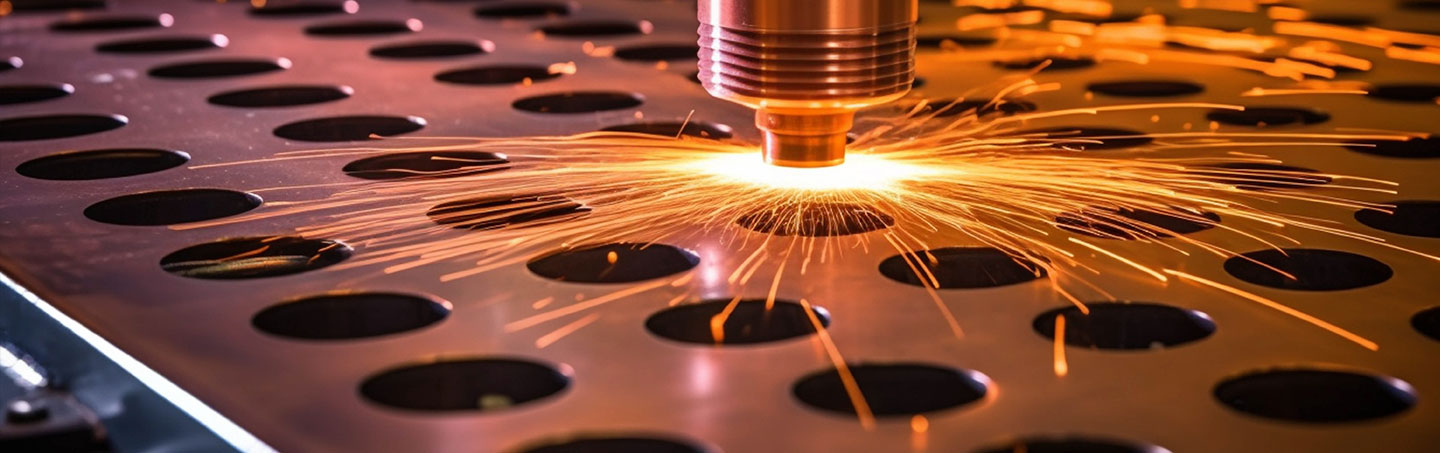
CNC plasma‑cutting performance depends on tool quality, proper cutting speeds, accurate calibration, and well‑maintained software. Using the right cutting fluids, monitoring wear, and keeping equipment clean can support consistent results and reduce downtime. Retrofitting older machines with updated components may help extend service life and improve overall productivity.
Use High-Quality CNC Machine Cutting Tools
Optimize Cutting Speeds for Your Material
Invest in the Right Machine Software and Keep It Up to Date
Calibrate Your CNC Machine Regularly
Select the Right Cutting Fluid
Watch for Machine Wear and Tear
Regularly Clean Your CNC Machine
Extending the Life of Older CNC Machines
Unlock Higher Productivity with Thoughtful Maintenance
Frequently Asked Questions About CNC Productivity
CNC cutting machines are revered across industries for their precision in cutting and drilling. As one of the most critical—and expensive—pieces of equipment on your production floor, they represent a significant investment that demands proper care and attention. To maintain peak performance and maximize the return on your investment, understanding how to optimize productivity with your CNC machine is essential.
At WeldingSupply.com, we’re dedicated to providing the tools, accessories, and expertise needed to help fabricators make the most of their CNC equipment. Whether you’re a newcomer to CNC machining or a seasoned professional looking for fresh insights, the following tips will help you refine your processes and elevate productivity.
Use High-Quality CNC Machine Cutting Tools
One of the easiest ways to improve your CNC cutting machine's performance is by selecting high-quality cutting tools. While cheaper cutters might seem like a tempting way to reduce costs, they often wear out quickly and break under the pressure of high-speed machining. These failures can result in unnecessary downtime, poor-quality cuts, and higher long-term expenses due to constant replacements.
Investing in premium-grade machine tooling pays off with reliable performance, better consistency in cuts, and extended tool life, ultimately saving you time and money. High-quality tools are designed to endure the forces of precision machining and maintain sharpness for longer periods, contributing to smoother operations and superior results.
Key Points
High‑quality tools support smoother performance and more consistent cuts.
Lower‑cost tools may wear out faster and reduce cut quality.
Optimize Cutting Speeds for Your Material
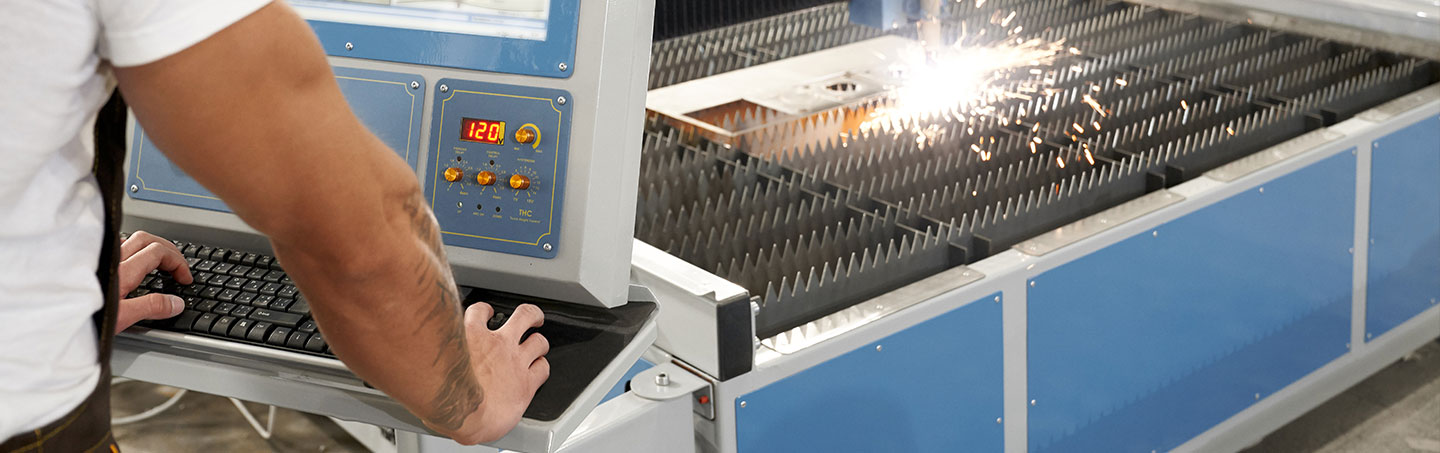
Achieving the right cutting speed is another key factor in improving CNC productivity. Operating at the proper speed depends on the material you’re cutting and the process you’re utilizing. Cutting metal at too high a speed, for example, can generate excessive heat, leading to warping, melting, or tool damage. Conversely, cutting softer materials like wood at a slower speed may create rough edges or burn marks.
Experiment with speed settings to identify the optimal range for your specific materials and tools. Many CNC manufacturers provide guidelines or speed charts for various materials, which can serve as a helpful reference. Adjusting the cutting speed for your projects can significantly reduce defects while improving both efficiency and quality.
Key Points
Cutting metal too fast can create heat that leads to warping, melting, or tool damage.
Cutting softer materials too slowly can create rough edges or burn marks.
Manufacturers often provide speed guidelines or charts for different materials.
Invest in the Right Machine Software and Keep It Up to Date
Your CNC machine’s software plays a critical role in executing precise, repeatable cuts. Using high-quality CAD/CAM software tailored to your machine ensures that parts are manufactured to exact specifications, minimizing errors and waste. Modern software solutions also deliver advanced features, such as automation capabilities, simulation tools, and optimization settings that streamline production.
Additionally, regularly updating your machine’s software is vital for smooth performance and access to the latest improvements. Updates often repair existing bugs, improve compatibility, and introduce new features that can boost productivity. Neglecting software updates can lead to technical issues, inefficiencies, or even unnecessary downtime.
Key Points
High‑quality CAD/CAM software helps produce precise, repeatable cuts.
Modern software offers automation, simulation, and optimization features.
Updates repair bugs, improve compatibility, and introduce new features.

Calibrate Your CNC Machine Regularly

Precision cuts begin with a properly calibrated machine. Calibration should be part of your routine maintenance schedule, as even the highest-quality CNC machines can lose alignment over time due to consistent use.
Regular calibration helps maintain accuracy, minimizes material waste, and reduces time-consuming rework caused by defective cuts. To keep your equipment producing high-quality output, follow your manufacturer’s recommended calibration guidelines or partner with a skilled technician for occasional tune-ups.
Key Points
Even high‑quality CNC machines can lose alignment over time.
Regular calibration helps maintain accuracy and reduces rework.
Following manufacturer guidelines or using a technician supports proper calibration.
Select the Right Cutting Fluid
Cutting fluids are essential for lubricating and cooling your CNC machine’s cutting tools while also flushing away debris and chips. Using the correct cutting fluid dramatically impacts performance and tool longevity.
The type of fluid you choose will depend on the material you’re cutting:
Metal Cutting: Water-based fluids are commonly used for metals as they efficiently dissipate heat.
Wood Cutting: Oil-based fluids perform better for wood, reducing friction while preventing dry cuts or burns.
Monitor your cutting fluid levels closely and replace fluids as required to maintain consistent results. High-quality cutting fluids tailored to your materials will reduce tool wear, enhance cut quality, and protect your machine from residue buildup.
Key Points
Cutting fluids cool, lubricate, and clear debris.
Water‑based fluids are commonly used for metal cutting.
Oil‑based fluids work well for wood cutting.
Monitoring and replacing fluids helps maintain consistent results.
Watch for Machine Wear and Tear

CNC machines are built to last, but their moving parts require regular attention. Inspect critical components, such as the cutting head, drives, and motors, for signs of wear and tear. Over time, these elements can deteriorate through daily use, and unnoticed wear may lead to reduced accuracy and downtime.
Replacing worn-out components promptly extends the life of your CNC machine and averts costly failures. Conduct regular inspections as part of your maintenance schedule to catch issues early, preventing disruptions in production. WeldingSupply.com also offers a variety of replacement parts to help keep your machine operating at its best.
Key Points
Moving parts can deteriorate through daily use.
Wear can reduce accuracy and cause downtime.
Replacing worn components promptly helps avoid failures.
Regularly Clean Your CNC Machine
A clean machine is a productive machine. Keeping your CNC equipment free of clutter and debris not only prolongs its life but also ensures consistent accuracy. After every job, make it a habit to clear the machine of chips, dust, and other residue that can accumulate inside the cutting area.
Neglecting proper cleaning can often lead to alignment issues, overheating, and poor-quality cuts. Clean the internal components periodically as well, including filters and lenses, to maintain smooth operation and minimize wear on critical parts.
Key Points
Clearing chips, dust, and residue helps maintain accuracy.
Neglecting cleaning can lead to alignment issues, overheating, and poor‑quality cuts.
Cleaning internal components like filters and lenses supports smooth operation.
Extending the Life of Older CNC Machines
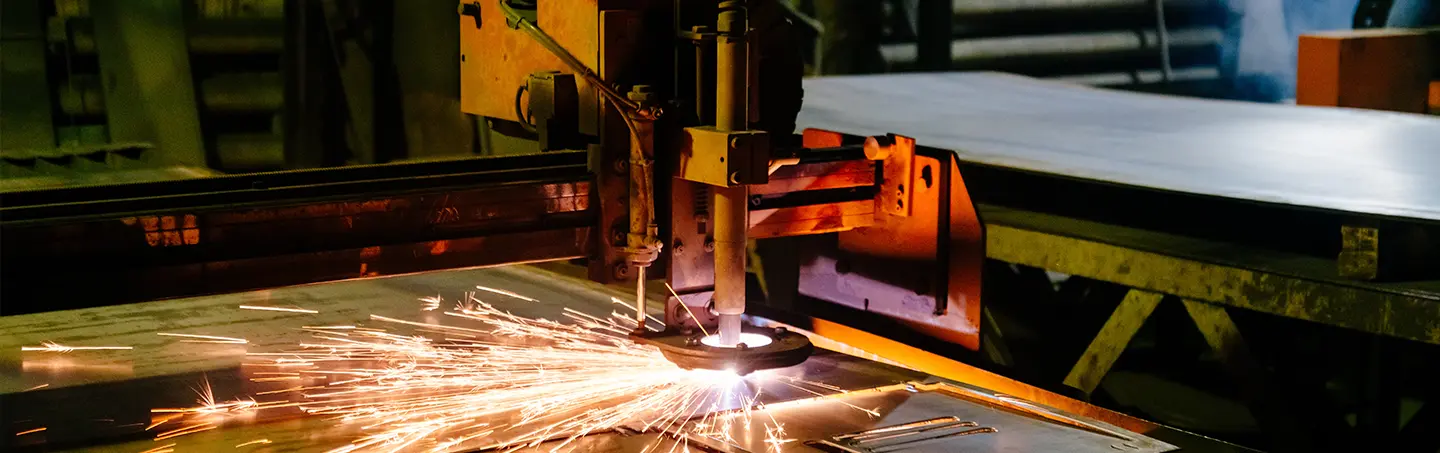
What if you’re operating an older CNC cutting machine? At WeldingSupply.com, we understand that replacing equipment isn’t always an option. To maximize your current machine’s performance, consider retrofitting it with modern components or upgrading its systems.
Retrofitting allows you to modernize controls, drives, motors, or plasma and oxy-fuel systems without replacing the entire machine. These upgrades breathe new life into your equipment and provide long-term performance gains while allowing you to stay competitive.
Key Points
Retrofitting allows upgrades to controls, drives, motors, or cutting systems.
Retrofitting helps modernize equipment without replacing the entire machine.
Unlock Higher Productivity with Thoughtful Maintenance
Incorporating these CNC machining tips into your regular workflow can significantly improve machine performance, cut accuracy, and production efficiency. The key to sustained success is ongoing care. Building a maintenance routine around cleaning, calibrating, and inspecting your machine ensures uninterrupted operations and fewer costly repairs in the future.
CNC machines are integral to fabrication processes, and their performance directly impacts your productivity and bottom line. By implementing these CNC machining tips—ranging from choosing high-quality tools, optimizing cutting speeds, and maintaining software to regular cleaning and calibration—you can unlock the full potential of your machine. Whether you're looking to refine precision, extend the lifespan of older equipment, or streamline your production workflow, these strategies can offer immediate benefits and long-term savings.

Frequently Asked Questions About CNC Productivity
Why do high‑quality cutting tools matter for CNC performance?
High‑quality tools support smoother performance, more consistent cuts, and longer tool life compared to lower‑cost options.
How does cutting speed affect CNC results?
Cutting too fast on metal can create excess heat and cause warping, melting, or tool damage. Cutting softer materials too slowly may lead to rough edges or burn marks.
Why is CNC software important?
Good CAD/CAM software helps produce precise, repeatable cuts. Modern features like automation, simulation, and optimization can also streamline production.
Why should CNC software be kept up to date?
Updates repair bugs, improve compatibility, and add new features that support smoother performance.
Why is regular CNC calibration necessary?
Even high‑quality machines can lose alignment over time. Regular calibration helps maintain accuracy and reduces rework.
How do cutting fluids affect CNC performance?
Cutting fluids cool, lubricate, and clear debris. Water‑based fluids are commonly used for metal, while oil‑based fluids work well for wood.
Why should CNC machines be inspected for wear and tear?
Moving parts can deteriorate through daily use. Catching wear early helps maintain accuracy and avoid downtime.
Why is regular cleaning important for CNC machines?
Removing chips, dust, and residue after each job helps maintain accuracy and prevents issues like overheating or alignment problems.
How can retrofitting help older CNC machines?
Retrofitting allows upgrades to controls, drives, motors, or cutting systems, which extends machine usability without replacing the entire unit.