
A Record of Metal & Flame Welding Blog


More Guides
-
Welding Helmet Buying Guide: Lens Types, Switching Speed, Viewing Area Size, Sensors, and Comfort
May 8, 2026, 09:40 AM by Ann McCallum-BolesA welding helmet’s performance depends on features like lens type, switching speed, viewing area size, weight, and sensor count. Passive and auto‑darkening lenses offer different visibility and workflow benefits. Larger viewing areas improve awareness, while smaller ones support precision. Helmet weight and fit affect long‑term comfort, and additional sensors can improve activation consistency.Full story -
CNC Plasma Cutting Tips to Optimize Productivity
Apr 29, 2026, 11:52 AM by Ann McCallum-BolesFull story -
How to Choose a Cutting Wheel
Jan 23, 2026, 15:24 PM by Ann McCallum-BolesChoosing the right cutting wheel is key to clean, efficient welding. Your choice depends on wheel type, grain, and thickness. Type 1 wheels offer sharp, precise cuts with a flat profile, while Type 27 wheels improve visibility and allow flush cutting. Ceramic alumina, zirconia, aluminum oxide, and silicon carbide each fit different metals and demands. Thickness affects accuracy and durability. Match the wheel to your grinder, material, and project to get smoother cuts and avoid rewelding.Full story -
How Can Robotic Welding Transform Fabrication Processes?
Oct 28, 2025, 09:26 AM by Ann McCallum-BolesRobotic welding is reshaping modern fabrication by delivering faster production, lower costs, and higher-quality results. This blog explores how welding automation can streamline your workflow, reduce waste, and elevate product consistency. Whether you're considering a switch or scaling up, discover why robotic welding is a smart investment for competitive manufacturing.Full story -
How Welding Positioners Can Help Improve Productivity, Quality, and Workplace Safety
Aug 14, 2025, 10:53 AM by Ann McCallum-BolesWelding positioners are crucial tools for modern fabrication, improving productivity, quality, and safety. By securely holding and rotating workpieces, they enable welders to create cleaner, more uniform welds, reducing inconsistencies and material waste. These tools also enhance worker safety by minimizing heavy lifting and improving ergonomics. Ultimately, positioners streamline workflows, reduce downtime, and are a key investment for any shop aiming to boost efficiency and consistency.Full story -
What Is Flux Core Welding Wire?
Aug 4, 2025, 11:32 AM by Ann McCallum-BolesFlux-cored welding wires, filled with flux, offer versatility and high deposition rates, making them ideal for industries like shipbuilding, construction, and outdoor repairs. Available in gas-shielded and self-shielded types, they provide strong, reliable welds and are beginner-friendly. Benefits include portability, strength, and adaptability across materials, though slag removal is required. WeldingSupply.com offers an extensive selection and expert guidance to help you choose the right wire for your project and achieve optimal results.Full story -
How to Choose a Plasma Cutter
Jun 17, 2025, 16:56 PM by Ann McCallum-BolesChoosing the right plasma cutter ensures precise, efficient metal fabrication. Key factors include material thickness, which affects amperage needs, input power (115V, 230V, or dual voltage for flexibility), and duty cycle, which determines how long the machine can run before cooling. Portability matters if you work in different locations, while operating costs like consumables impact overall expense. Plasma cutters offer speed, accuracy, and versatility. Find expert tools at WeldingSupply.com!Full story -
The History of Welding
Mar 18, 2025, 16:58 PM by Ann McCallum-BolesWelding is key in today's world. It helps build everything from skyscrapers and ships to airplanes and new medical technology. Welding has greatly influenced humanity and its impact reaches far into the past and over centuries. It highlights our endless quest for innovation and progress. By looking at welding's origins, key milestones, and modern advancements, we see how this craft has influenced society for thousands of years.Full story -
The Benefits of Automated Welding: Revolutionizing Fabrication Processes
Mar 3, 2025, 14:08 PM by Ann McCallum-BolesAutomated welding utilizes machines and computer programs to help make welding faster and more consistent. These systems follow set instructions to complete welding tasks with less help from people, which may reduce errors and improve efficiency. By keeping weld quality more uniform, automated welding can support better results across large projects. While outcomes can vary, many manufacturers use automation to meet production goals and stay competitive.Full story -
Welding Accessories for Beginner Welding
Feb 13, 2025, 09:54 AM by Ann McCallum-BolesThis guide serves as a starting point for beginner welders, detailing the essential tools and accessories required to ensure safety, precision, and efficiency during the welding process. We'll walk you through the key facets of welding—from material preparation and workspace setup to selecting the proper equipment and consumables for different welding methods such as MIG, TIG, and stick welding. We'll also discuss the importance of post-weld cleanup to achieve durable, high-quality results.Full story
Welding Helmet Buying Guide: Lens Types, Switching Speed, Viewing Area Size, Sensors, and Comfort
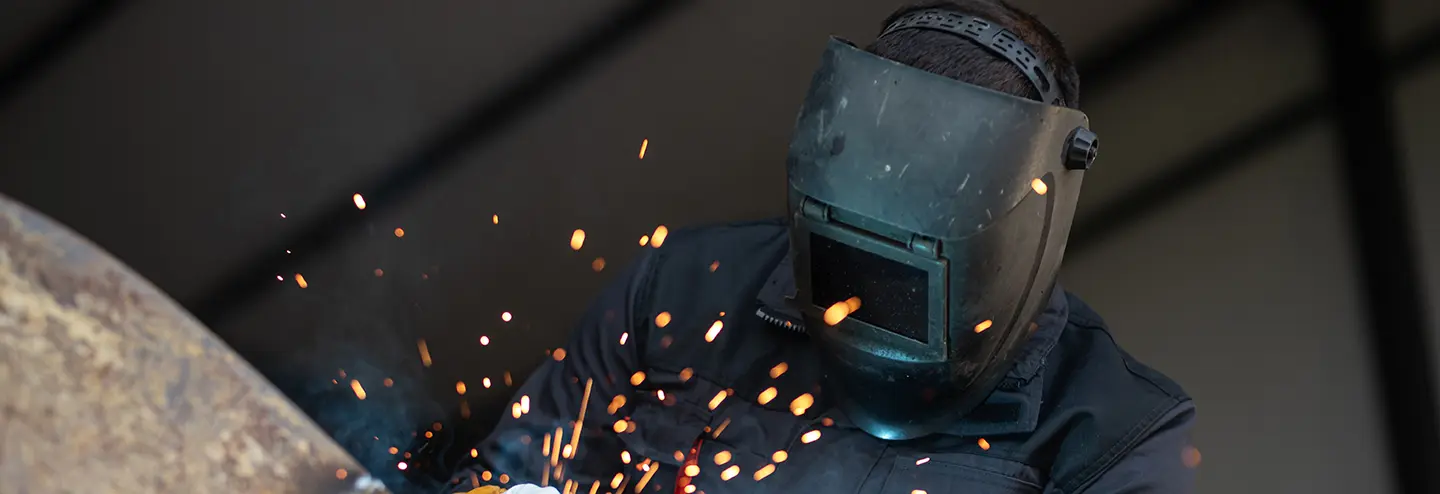
A welding helmet is essential for helping protect your face and eyes from sparks, spatter, and harmful UV/IR rays. Choosing between passive and auto-darkening lenses depends on your need for affordability, convenience, and eye protection. Key factors like switching speed, viewing area size, helmet weight, and number of sensors all influence comfort and performance. By considering your specific welding tasks and environment, you can select a helmet that enhances both safety and productivity.
Types of Welding Helmet Lenses and How They Differ
Switching Speed in Auto‑Darkening Lenses and Why It Matters
Welding Helmet Viewing Area Size and How It Affects Visibility
Welding Helmet Weight and Comfort for Long Wear Times
Number of Sensors and Their Impact on Lens Responsiveness
Frequently Asked Questions About Welding Helmets
A welding helmet is an important piece of safety equipment for welders. It can help you protect your face and eyes from hazards like sparks, spatter, and harmful ultraviolet and infrared rays. In addition to safety, the right welding helmet can help boost your comfort, productivity, and even the quality of your welds. With so many options on the market, choosing a helmet can feel overwhelming—but it doesn’t have to be.
At WeldingSupply.com, we’ve put together this helpful guide to walk you through the key features and considerations to keep in mind when shopping for a welding helmet. Whether you’re a beginner or a seasoned professional, these tips will help you find the right helmet for your needs.
Types of Welding Helmet Lenses and How They Differ
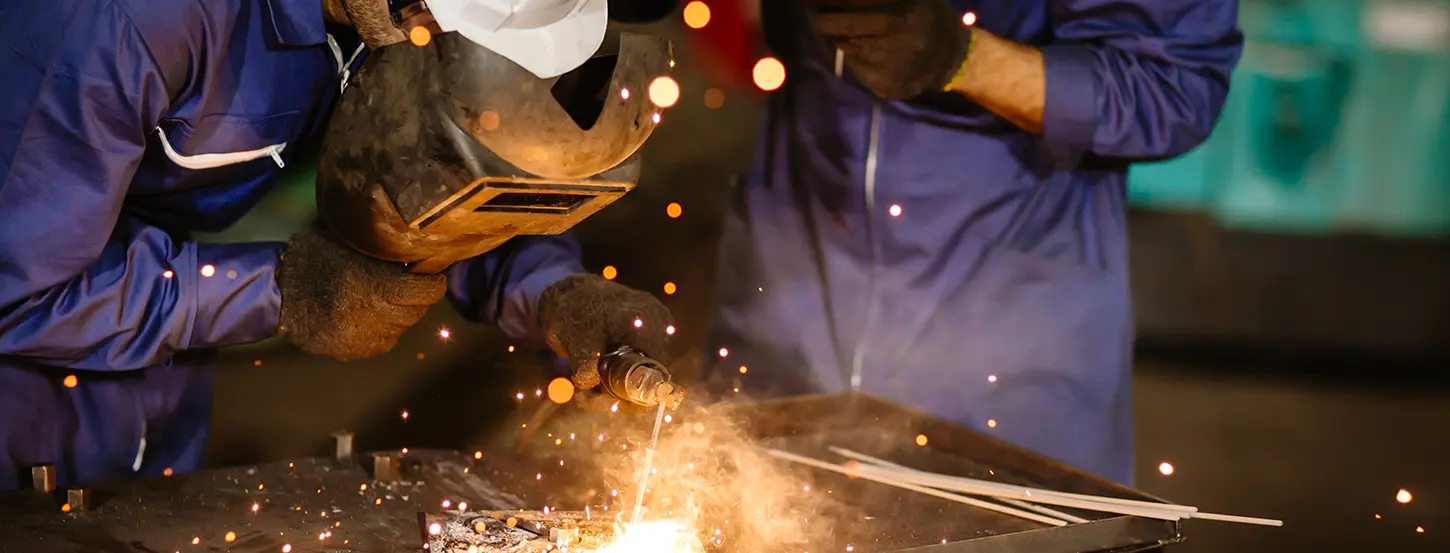
The lens is one of the most important components of a welding helmet. There are two main types of lenses to choose from: passive lenses and auto-darkening lenses.
Passive Welding Lenses
Passive lenses are fixed-shade lenses, usually made from durable polycarbonate plastic or glass. These lenses stay permanently dark at a particular darkness level (shade), providing consistent protection for your eyes. Helmets with passive lenses are often the most affordable option, making them popular among beginners or welders who don’t need advanced features.
However, passive helmets have some drawbacks. To inspect your weld or adjust your fit-up, you’ll need to lift the helmet and then flip it back down to start welding. This repeated movement can lead to neck strain, especially over long workdays. In addition, using a fixed-shade lens can sometimes be tricky in tight spaces where flipping the helmet up and down isn’t practical.
Some passive helmets offer flip-up lens assemblies, which allow welders to lift just the lens while keeping the hood down. This design can provide a clearer view without the constant need to fully remove the helmet.
Auto-Darkening Welding Lenses
Auto-darkening welding lenses use advanced liquid crystal display (LCD) technology to adjust their shade level automatically, based on the brightness of the welding arc. The lens remains in a light or passive state when no welding is taking place, allowing the welder to see clearly and position their welding torch or workpiece. This passive state is still a protective state of the lens, providing protection from ultraviolet and infrared light, even at a lighter shade rating of shade 3 or shade 4, depending upon the brand and model.
However, as soon as the arc is struck, the lens detects the sudden increase in light and darkens within milliseconds (often less than 1/25,000th of a second) to a preselected shade, typically shade 9 – shade 14, providing nearly instant protection for the welder’s eyes. This eliminates the need to manually flip a helmet or lens holder up to see, allowing for continuous and uninterrupted work.
Auto-darkening lenses operate using a combination of optical sensors, photoelectric sensors, and an LCD filter. The sensors are strategically located around the lens to detect the brightness of the welding arc, triggering the auto-darkening effect. When this happens, the LCD filter adjusts the level of tint by activating layers of polarized glass embedded in the lens. These lenses are powered by either replaceable batteries, solar cells, or a combination of the two, ensuring reliable performance throughout a workday. Aside from offering convenience, auto-darkening lenses are highly effective in protecting the welder's eyes from the harmful effects of UV and IR radiation, even when the lens is in its light state. They also allow for customized shade settings, enabling welders to adjust the shading level based on the specific welding process or material, which enhances visibility and reduces eye strain on the job.
Key Points:
- Passive lenses — fixed shade, affordable, durable, but require lifting the helmet to inspect work.
- Flip‑up assemblies — allow viewing without removing the entire hood, reducing repeated movement.
- Auto‑darkening lenses — adjust tint automatically, stay light when not welding, and may help reduce interruptions.
- Sensor‑based operation — optical and photoelectric sensors trigger the LCD filter to darken.
- Power sources — may use batteries, solar cells, or a combination.
- Shade customization — adjustable settings can support visibility across different welding processes.
Switching Speed in Auto‑Darkening Lenses and Why It Matters
Switching speed refers to the amount of time it takes for the lens to transition from its light state to its darkened state when exposed to the welding arc. Faster switching speeds—often measured in fractions of a millisecond (e.g., 1/25,000th of a second)—are helpful for reducing eye strain, allowing welders to focus on their work without distraction or hesitation when striking or restarting an arc.
High-speed auto-darkening lenses are especially beneficial for applications with frequent start-and-stop welding, such as tack welding, ensuring both precision and eye protection throughout the process. For professional welders, investing in a helmet with an optimal switching speed is vital for ensuring long-term eye health and maximizing productivity on the job. If you’re considering an auto-darkening helmet, switching speed is an essential factor to consider. Switching speed refers to how quickly the lens transitions from light to dark when you strike the welding arc.
- Switching speed definition — the time it takes for the lens to shift from light to dark when the arc starts.
- Faster response times — may help reduce eye strain and support smoother arc starts, especially during frequent stop‑and‑start work.
- Tack‑welding benefit — quick transitions can support precision during rapid, repetitive arc strikes.
- Professional use — consistent high-speed performance may help maintain comfort and productivity over long workdays.
Welding Helmet Viewing Area Size and How It Affects Visibility
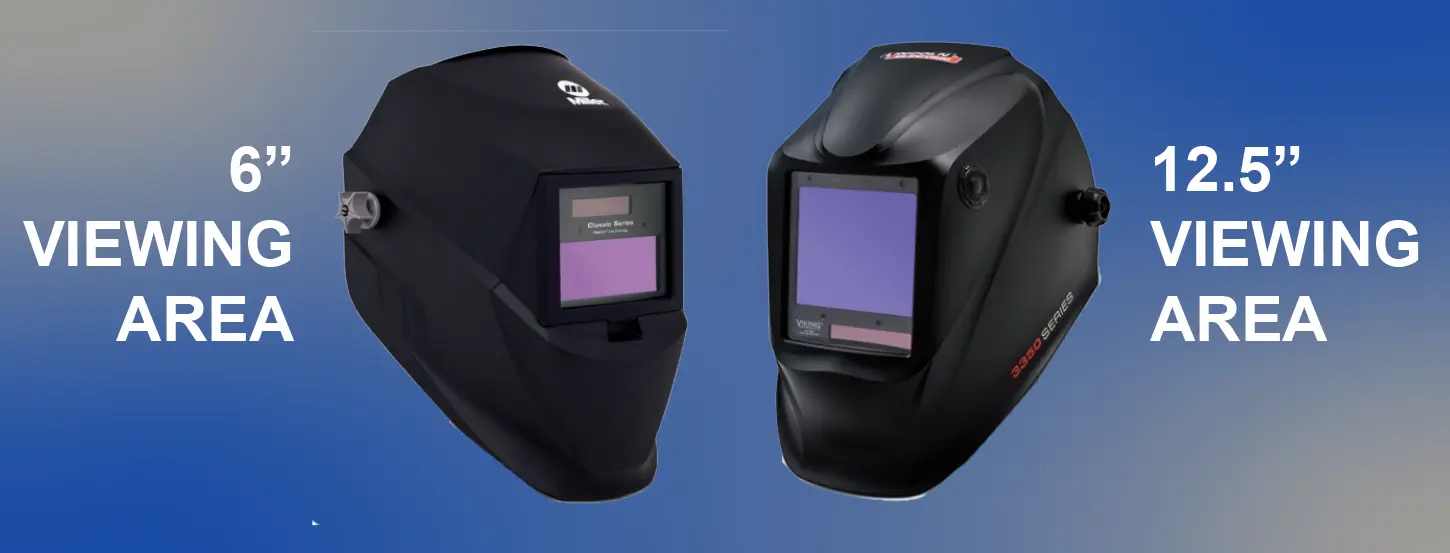
The size of the viewing area is another important feature to consider. Depending on your preference, you can choose a helmet with a larger or smaller field of vision.
Larger Viewing Areas
A larger viewing area gives you more visibility of your weld and the surrounding workspace. This can be helpful for complex projects where you need to see more details. Large viewing areas are popular with welders who want to maintain broad situational awareness on the job.
One thing to keep in mind with larger viewing areas is that the helmet may weigh slightly more than models with smaller lenses. If weight is a concern, try balancing size and comfort when making your decision.
Smaller Viewing Areas
Smaller lenses provide a more focused view of your weld and the immediate area around it. These helmets are great for precision work or tasks that don’t involve much movement. They’re often lighter in weight, which can make them more comfortable for long hours.
Take some time to think about the type of projects you’ll be doing most often—this can help you decide the right lens size for your needs.
Key Points:
- Larger viewing areas — offer broader visibility for detailed or complex work and may add slight weight.
- Situational awareness — wide fields of view can help welders monitor more of their workspace.
- Smaller viewing areas — provide a focused view for precision tasks and are often lighter for long sessions.
- Project‑based choice — selecting the right size depends on how much movement and detail your typical work requires.
Welding Helmet Weight and Comfort for Long Wear Times
Comfort should always be a priority when choosing a welding helmet. After all, welders may wear their helmets for hours at a time, and a heavy or uncomfortable design can lead to user fatigue.
Lighter helmets are often more expensive, but they help reduce strain on your neck and shoulders, which is especially important for welders who work long shifts.
To improve comfort, look for helmets with adjustable headbands or proper padding. A snug, customized fit can make all the difference when it comes to both safety and long-term wearability. If you have the chance, try different helmets before buying one to find one that feels right for you.
Key Points:
- Comfort priority — long wear times make overall fit and weight important for reducing fatigue.
- Lighter helmets — may help lessen neck and shoulder strain, though they often cost more.
- Adjustable headgear — padding and customizable bands can support a secure, comfortable fit.
- Try‑before‑buying — testing different helmets can help identify the most comfortable option for your work style.
Number of Sensors and Their Impact on Lens Responsiveness
Entry-Level Welding Helmets
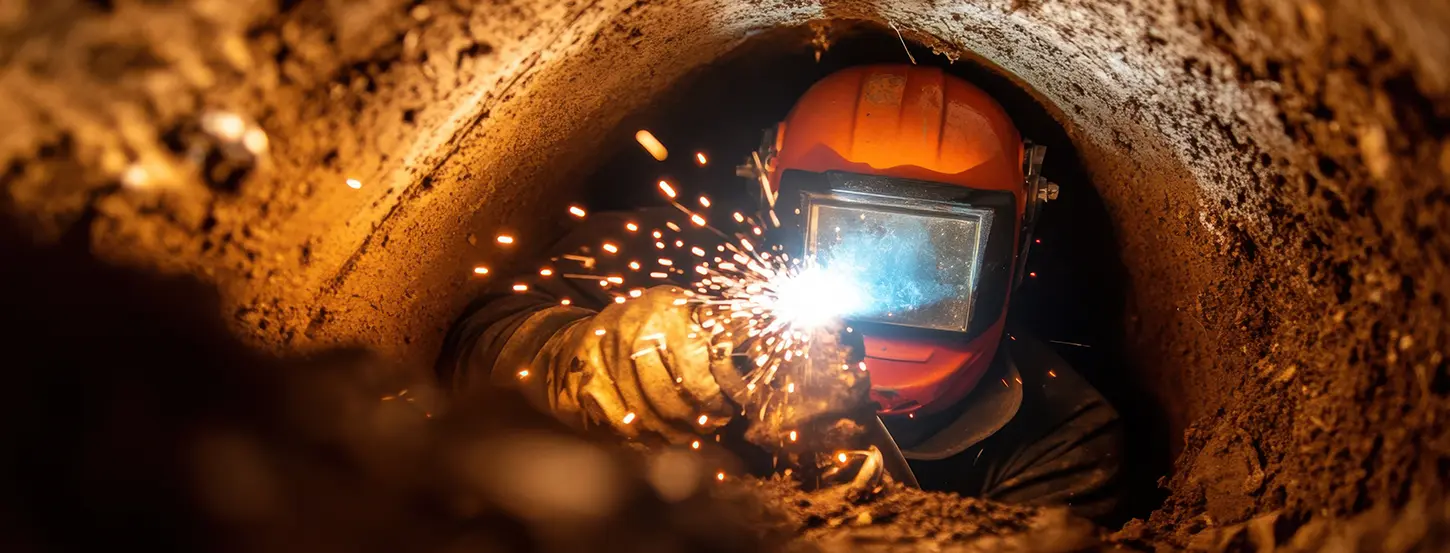
Basic auto-darkening helmets usually feature two sensors. While these may work fine for hobbyists or occasional welders, they’re not always ideal for industrial applications—especially in tight spaces where the welding arc can be partially hidden.
Professional-Grade Welding Helmets
Advanced models typically come equipped with four sensors, offering better responsiveness and coverage. More sensors mean the helmet is less likely to miss the arc, even during out-of-position welding. For welders who need precision and reliability, choosing a helmet with more sensors is often worth the investment.
Key Points:
- Two‑sensor helmets — common in entry‑level models and suitable for occasional or hobby use.
- Limited coverage — fewer sensors may struggle when the arc is partially blocked in tight positions.
- Four‑sensor helmets — typical in professional‑grade models for broader detection and more consistent responsiveness.
- Out‑of‑position benefit — additional sensors can help maintain reliable activation during complex or angled welds.
Finding the Right Welding Helmet for You
When shopping for a welding helmet, it’s important to consider your specific needs as a welder. Are you working in tight spaces? Do you need a helmet for all-day use? Are precision and visibility your top priorities? Answering these questions can help guide your decision.
While it might be tempting to choose the least expensive option, investing in a high-quality helmet can make a notable difference in your performance, safety, and comfort.
Explore Welding Helmets at WeldingSupply.com
At WeldingSupply.com, we offer a wide selection of welding helmets designed for every type of welder—from hobbyists to industry professionals. We carry helmets with passive and auto-darkening lenses, various switching speeds, comfortable designs, and advanced features to keep you safe and productive on the job.
In addition to welding helmets, we provide top-tier protective clothing, gloves, eyewear, and other essential personal protective equipment (PPE). Browse our online shop to find everything you need for your welding projects.
If you have questions about our products or need help finding the right helmet, contact the WeldingSupply.com team today! We’re here to support your safety and success, no matter what welding process you use.
This information is offered as a general overview and is not a substitute for the education, training, and skill development required to weld safely and effectively.

Frequently Asked Questions About Welding Helmets
What’s the difference between passive and auto-darkening welding helmets?
Passive helmets use a fixed-shade lens that stays dark at all times, while auto-darkening helmets adjust their shade automatically when the welding arc is struck. Auto-darkening helmets offer more convenience and reduce the need to flip the helmet up and down during work.
Are auto-darkening welding helmets safe even when not darkened?
Yes. Even in their light state, auto-darkening lenses provide full protection from harmful UV and IR radiation. This ensures your eyes are always shielded, even before the lens darkens.
Why is switching speed important in a welding helmet?
Switching speed refers to how fast the lens darkens after detecting a welding arc. Faster speeds (e.g., 1/25,000th of a second) reduce eye strain and improve comfort—especially during frequent starts and stops like tack welding.
How do I choose the right viewing area size for my welding helmet?
If you need a wide field of vision for complex or large-scale projects, go with a larger viewing area. For precision work or lighter helmets, a smaller viewing area may be more comfortable and sufficient.
Does welding helmet weight really matter?
Absolutely. Heavier helmets can cause neck and shoulder fatigue over long shifts. Lightweight models with padded, adjustable headgear offer better comfort and reduce strain during extended use.
How many sensors should my auto-darkening welding helmet have?
Entry-level helmets typically have two sensors, which may be fine for hobbyists. For professional or out-of-position welding, four sensors offer better arc detection and reliability.
What shade range should I look for in an auto-darkening welding helmet?
Most auto-darkening helmets offer a variable shade range from 9 to 13 or 14. This allows you to adjust the darkness based on the welding process and material, improving visibility and reducing eye fatigue.
Are solar-powered welding helmets better than battery-powered ones?
Both have pros and cons. Solar-powered helmets often require less maintenance, while battery-powered models may offer more consistent performance. Some helmets combine both for added reliability.
Can I use the same helmet for MIG, TIG, and Stick welding?
Yes—just make sure the helmet supports the appropriate shade range and sensitivity settings for each process. Auto-darkening helmets with adjustable controls are ideal for multi-process welders.